
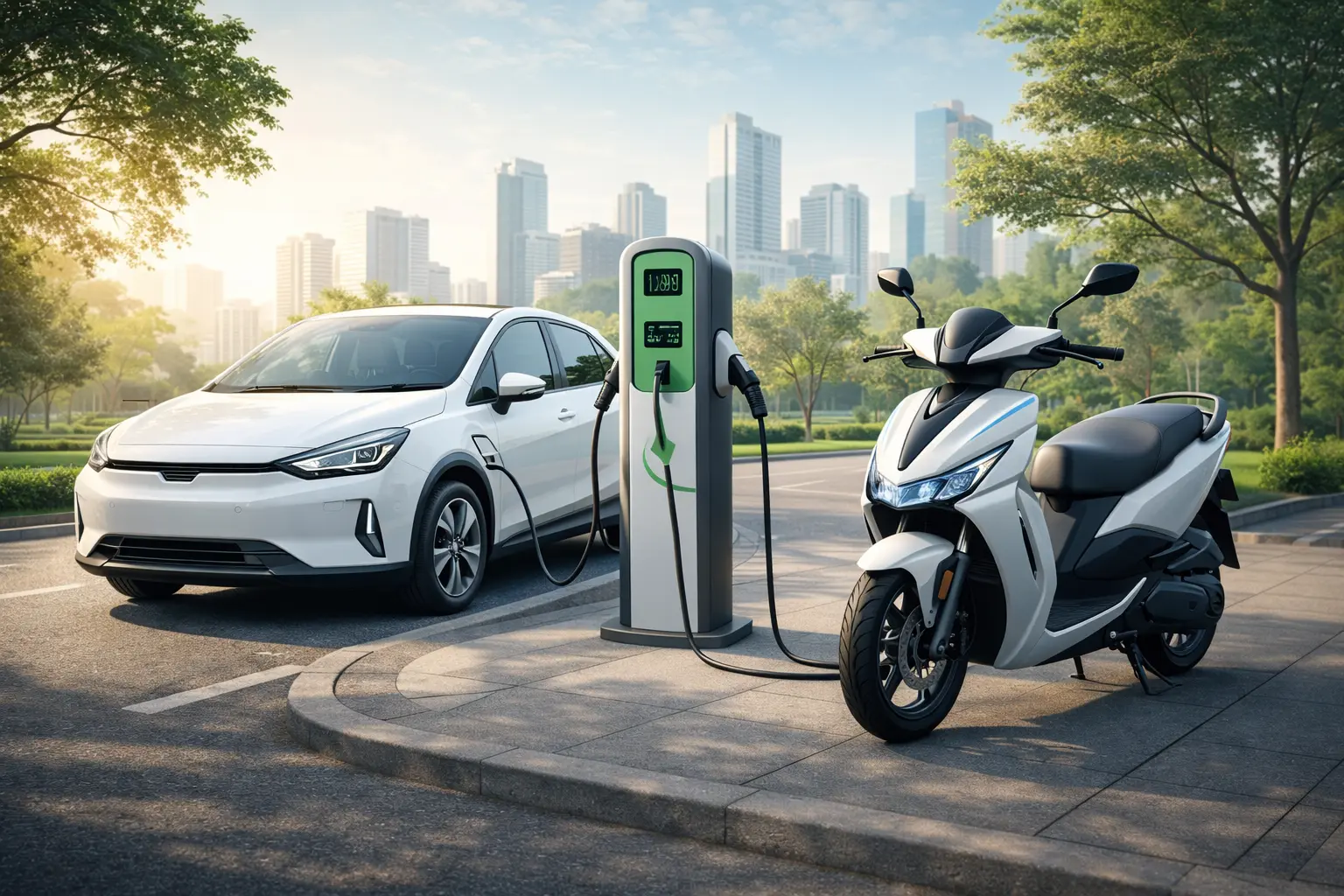
Electric vehicles in India are no longer something people only talk about in the future tense. Today, electric cars, bikes, and scooters are slowly becoming a part of everyday life on Indian roads. Rising petrol prices, heavy traffic in cities, and growing environmental awareness are pushing many people to seriously consider an electric vehicle for their next purchase.
If you are someone who feels confused while reading EV news, or you are unsure whether electric vehicles are actually practical for Indian roads, this beginner guide is written for you. The aim of this blog is not to sell you anything but to help you understand electric vehicles in a simple, honest, and relatable way so you can decide what is best for you.
What Is an Electric Vehicle?
An electric vehicle, commonly call an EV, is a vehicle that run on electricity instead of petrol or diesel. Unlike traditional vehicle that depend on internal combustion engines, electric vehicles use a rechargeable battery and an electric motor to move.
When you charge an electric vehicle, electricity is stored in its battery. This stored energy is then used to power the motor, which turns the wheels. There is no fuel burning, no exhaust smoke, and very little noise. That is why electric vehicles feel smoother and quieter compared to petrol vehicles.
For beginners, it is important to understand that electric vehicles are actually mechanically simpler. They have fewer moving parts, which means less wear and tear and fewer things that can go wrong over time.
Types of Electric Vehicles in India
Electric vehicles in India are available in different forms to suit different needs. Not every EV is a car, and not every EV is expensive.
Electric cars are mainly chosen by families and people who want a comfortable city driving experience. They are suitable for daily office travel, school runs, and short highway trips. Electric bikes and scooters, on the other hand, are designed for daily commuting and are extremely popular in urban areas. They are affordable, easy to maintain, and ideal for traffic-heavy cities.
Electric bicycles are a good option for people who want a balance between fitness and convenience. They look like normal cycles but come with electric assistance, making riding easier without much physical effort.
Best Electric Cars in India
Electric cars in India have improved significantly in the last few years. Earlier concerns about low range and high prices are slowly being addressed by better technology and more competition.
Most electric cars in India today offer a driving range that is sufficient for daily city use. While the upfront price of an electric car may feel higher compared to petrol cars, the real savings come from lower running and maintenance costs.
Electric Car Price vs Running Cost (India)
| Factor | Electric Car | Petrol Car |
| Average running cost | Very low | High |
| Fuel/Charging expense | Low electricity cost | Rising fuel prices |
| Maintenance cost | Low | Moderate to high |
| Noise & vibration | Very low | High |
For people who drive daily within the city, electric cars can become more economical than petrol cars over time.
Best Electric Bikes & Scooters in India
Electric bikes and scooters are currently the most practical electric vehicles for Indian roads. They are easy to ride, easy to charge, and much cheaper to run than petrol bikes.
Electric bikes are especially useful for students, office commuters, and people who travel short distances daily. The smooth ride and silent operation make them comfortable even in heavy traffic.
Another important factor is cost. Electric bike prices in India are now competitive, and the monthly savings on fuel make a big difference for budget-conscious buyers.
EV Charging in India – What Beginners Should Know
Charging is often the biggest concern for first-time electric vehicle buyers. In reality, charging an EV is simpler than most people think.
Most electric vehicle owners charge their vehicles at home, usually overnight. Home charging is convenient and cost-effective. Public charging stations are also increasing across major Indian cities, shopping malls, office complexes, and highways.
EV Charging Comparison for Beginners
| Charging Type | Best For | Time Required |
| Home charging | Daily users | 6–8 hours |
| Public charging | Emergency/top-up | 1–2 hours |
| Fast charging | Highway travel | 30–60 minutes |
Electric vehicle charging cost is much lower than petrol expenses, making EVs ideal for long-term savings.
Electric Vehicle Maintenance & Running Cost
One of the strongest advantages of electric vehicles is their low maintenance requirement. Since EVs do not have engines, clutches, or gearboxes, the number of parts that need regular servicing is significantly reduced.
Electric vehicle owners usually spend less on maintenance compared to petrol vehicle owners. Battery health is the main long-term factor, but most modern EVs come with extended battery warranties, offering peace of mind to buyers.
When considering electric vehicle ownership cost, it is important to look beyond the purchase price and think about savings over several years.
EV vs Petrol Vehicles – Which Is Better for You?
Choosing between an electric vehicle and a petrol vehicle depends on how you use your vehicle. Electric vehicles are excellent for city driving and daily commuting. They are quiet, smooth, and cost-efficient.
Petrol vehicles still have advantages for long-distance travel where charging infrastructure may be limited. However, for most urban users, electric vehicles are already a practical and smarter choice.
Instead of asking which technology is better overall, it is better to ask which option suits your lifestyle.
Is an Electric Vehicle Right for You?
If you are a first-time buyer, electric vehicles may feel unfamiliar, but they are not difficult to own. If your daily travel is predictable and mostly within city limits, an electric vehicle can simplify your life and reduce monthly expenses.
Electric vehicles are especially suitable for people who value low running costs, smooth driving, and future-ready technology. They may not be perfect for everyone yet, but for many Indian users, they are already the right choice.
Final Thoughts
Electric vehicles in India are no longer experimental. They are practical, reliable, and increasingly affordable. Whether you are considering an electric car, an electric bike, or even an electric bicycle, the key is to understand your needs before making a decision.
This beginner guide is meant to help you feel confident, not rushed. Take your time, explore your options, and choose a vehicle that fits your daily life. With the right choice, electric vehicles can offer comfort, savings, and peace of mind for years to come.